Labor Code

Most employees in California must be paid at least twice a month, on regular paydays that their employer designates in advance. Wages earned between the 1st and 15th of a month are due by…
Read More: Wage Paydays and Pay Periods: The Law in California Explained
Labor Code

In California, an employee who works in the computer software field can be classified as exempt from overtime pay, and from certain related wage and hour protections, but only if the employee satisfies both…
Read More: The Computer Professional Exemption to California’s Wage and Hour Laws
Labor Board
Tip pooling is the practice of gathering some or all of the tips earned by several employees, and then splitting them up in previously-agreed percentages. In California, employer-mandated tip pooling is generally considered legal,…
Read More: Tip Pooling Law in California: Employee Rights Explained
Wage & Hour
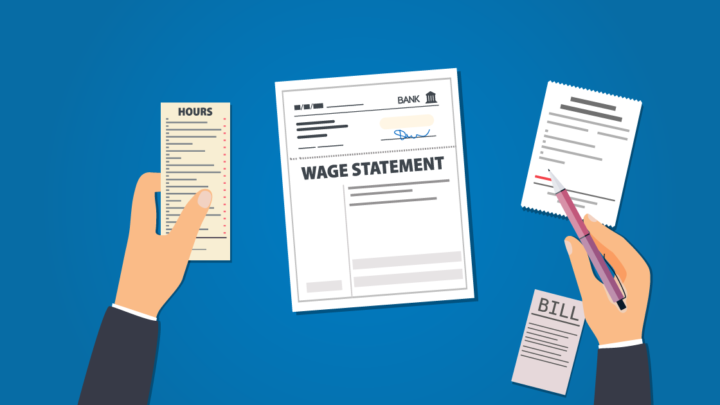
A wage statement (sometimes called a pay stub) is a document employers give their employees every pay period that explains how their paycheck was calculated. California has specific laws that govern the information that…
Read More: Wage Statement & Pay Stub Law in California
Labor Code

In general, employers in California are required to pay their hourly and nonexempt employees for all hours they work. They are also required to keep accurate records and provide regular wage statements that correctly…
Read More: The Law on Rounding Work Hours in California
Wage & Hour

In , most California employees must be paid a salary of at least per year to qualify as exempt from overtime and related protections, an amount equal to twice the state minimum wage for…
Read More: The Minimum Salary Requirement for Exempt Employees in California
Labor Board

Employers have a legal obligation to pay the wages that their employees earn. They also have an obligation to pay those wages on time. When wages are paid late or not at all, California…
Read More: The Law on Late & Unpaid Wages in California
Wage & Hour

In California, tips and gratuities are the sole property of the employee or employees they are left for. Employers and their agents may not take any part of these gratuities, deduct them from the…
Read More: Tip and Gratuity Laws in California
Labor Code

Most California employees are entitled to certain important rights. Those include the right to be paid at least the minimum wage, the right to overtime wages, and the right to meal and rest breaks…
Read More: The Executive Employee Exemption under California Law
Wage & Hour
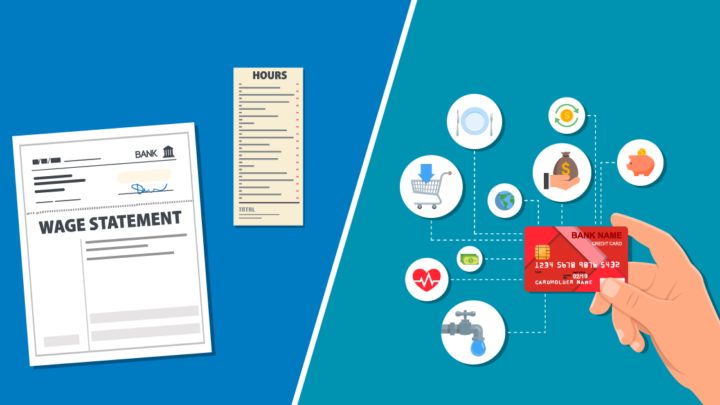
The concept of payroll debit cards is simple: rather than getting paid through cash or a check, employees receive their payments on a bank card. The employees can then use that card to spend…
Read More: Payroll Debit Cards in California: What’s the Law on Cash Alternatives?