CRD Claims

Nobody chooses to have a disability. But, for many, disabilities are a part of life. Sometimes those disabilities can affect a person's employment, so it's important to know which actions constitute unlawful disability discrimination.…
Read More: Disability Discrimination Laws in the California Workplace
Rest Break

California law provides protections for workers' wages and hours. Many employers, however, violate those protections. In some cases, the violations are unintentional; the employer might simply be unaware of their legal duties. In other…
Read More: 7 Dumb Ways Employers Violate Wage & Hour Laws in California
CRD Claims

Illegal firings happen when an employer ends the employment relationship in violation of the employee’s legal rights. These situations are often called wrongful terminations, and they can arise when an employer violates a state…
Read More: The 5 Most Common Illegal Reasons to Be Fired in California
Discrimination

Age discrimination occurs when an employee or job applicant who is 40 or older receives less favorable treatment because of their age. In California, both state and federal law prohibit most employers from engaging…
Read More: Age Discrimination Laws in the California Workplace
CRD Claims
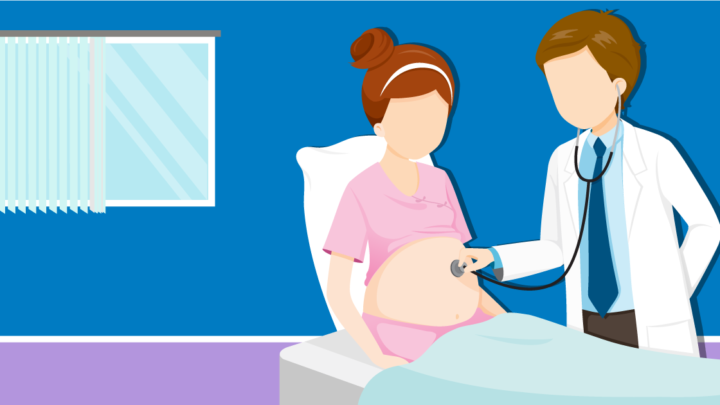
In California, there are generally two types of maternity leave a woman can take: pregnancy disability leave, and baby bonding leave. Of these, pregnancy disability leave is the most common because the eligibility requirements…
Read More: Pregnancy Disability Leave Law in California: A Guide to PDL
CRD Claims

In California, quid pro quo sexual harassment occurs when a supervisor or employer conditions a job benefit, such as a raise, a promotion, or continued employment, on an employee’s submission to a sexual demand.…
Read More: Quid Pro Quo Sexual Harassment Under California Law
CRD Claims

Wrongful termination happens when an employment relationship is ended by an employer in violation of the employee's legal rights. In California, wrongful termination claims can arise when an employer violates a state or federal…
Read More: Wrongful Termination Law in California
Termination

California employees sometimes face a difficult situation: their working conditions have become so intolerable that they feel they must quit. California law does not always treat that resignation as simply quitting. Under the doctrine…
Read More: Constructive Discharge in California: Did I Quit or Was I Fired?
Termination

Most employees in California are considered to be “at-will” employees. At-will employment means that the employee is free to leave their job at any time, and employers are likewise free to fire the employee…
Read More: What “At-Will” Employment Means Under California Law
Bullying

Sexual harassment generally involves negative, inappropriate, or unwanted conduct directed at a worker based on certain unlawful reasons, like the worker's sex or gender. California law prohibits both employers and employees from sexually harassing…
Read More: The Legal Definition of “Sexual Harassment” in California